.webp&w=384&q=75)

Initial Notebook Distribution
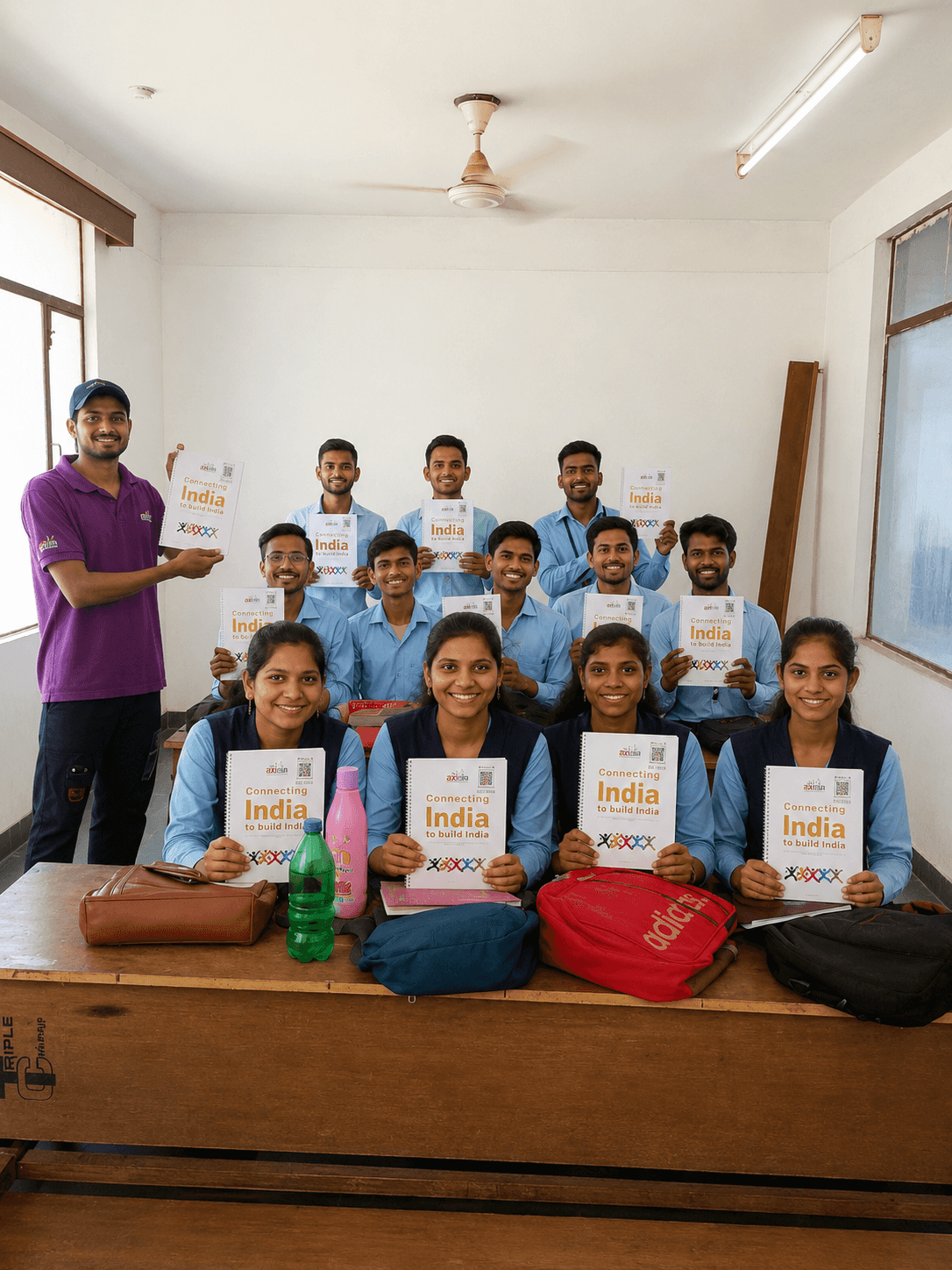
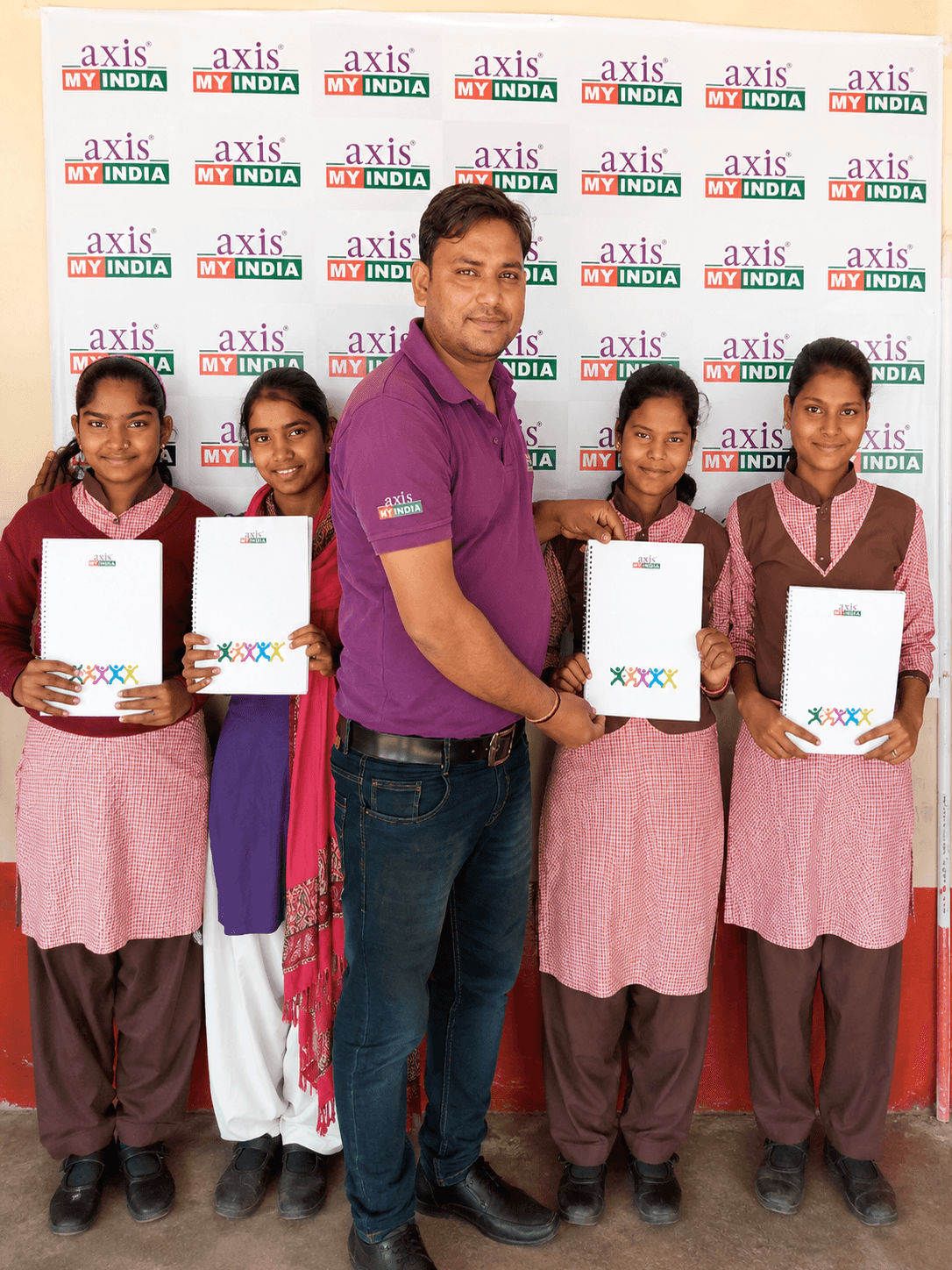
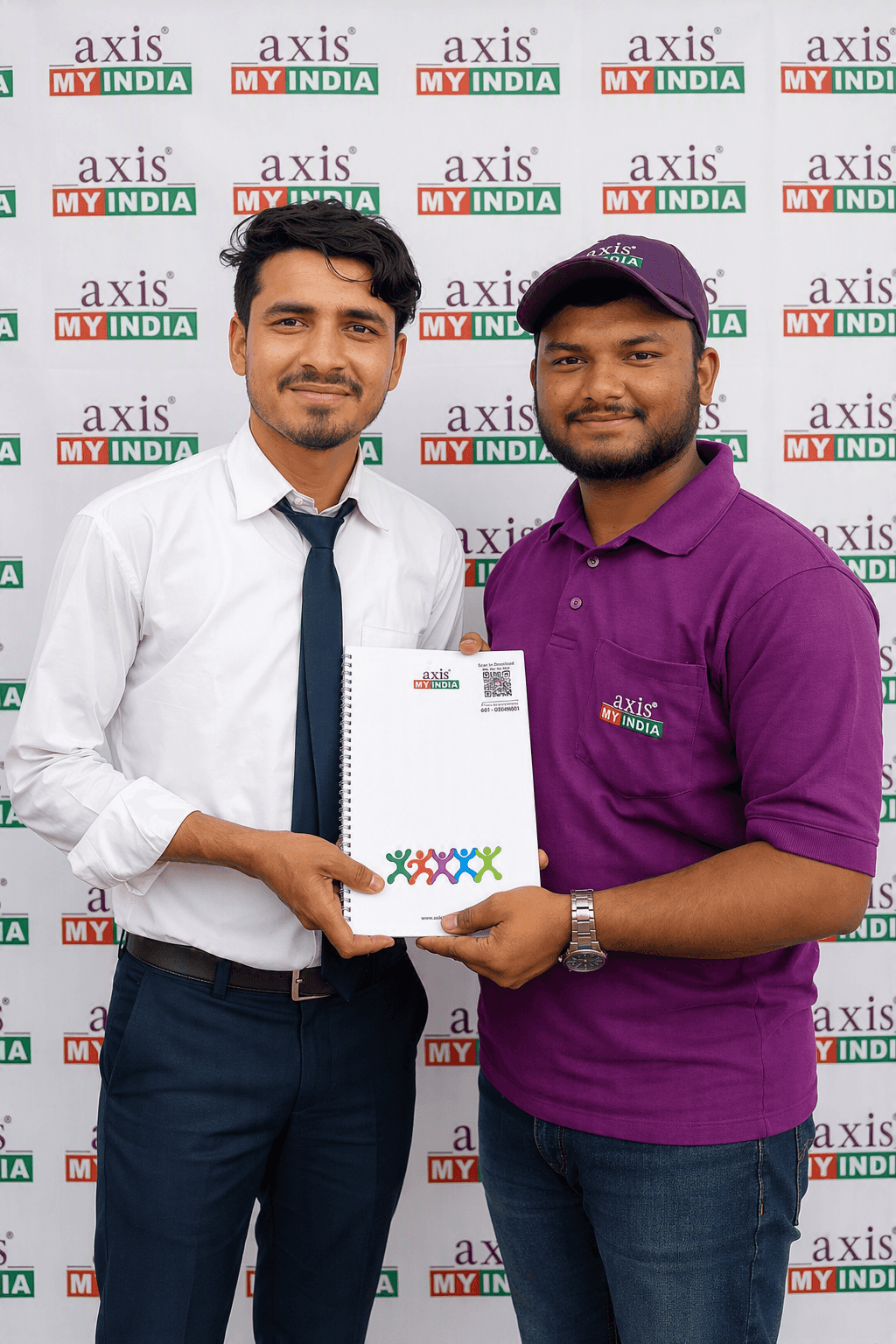
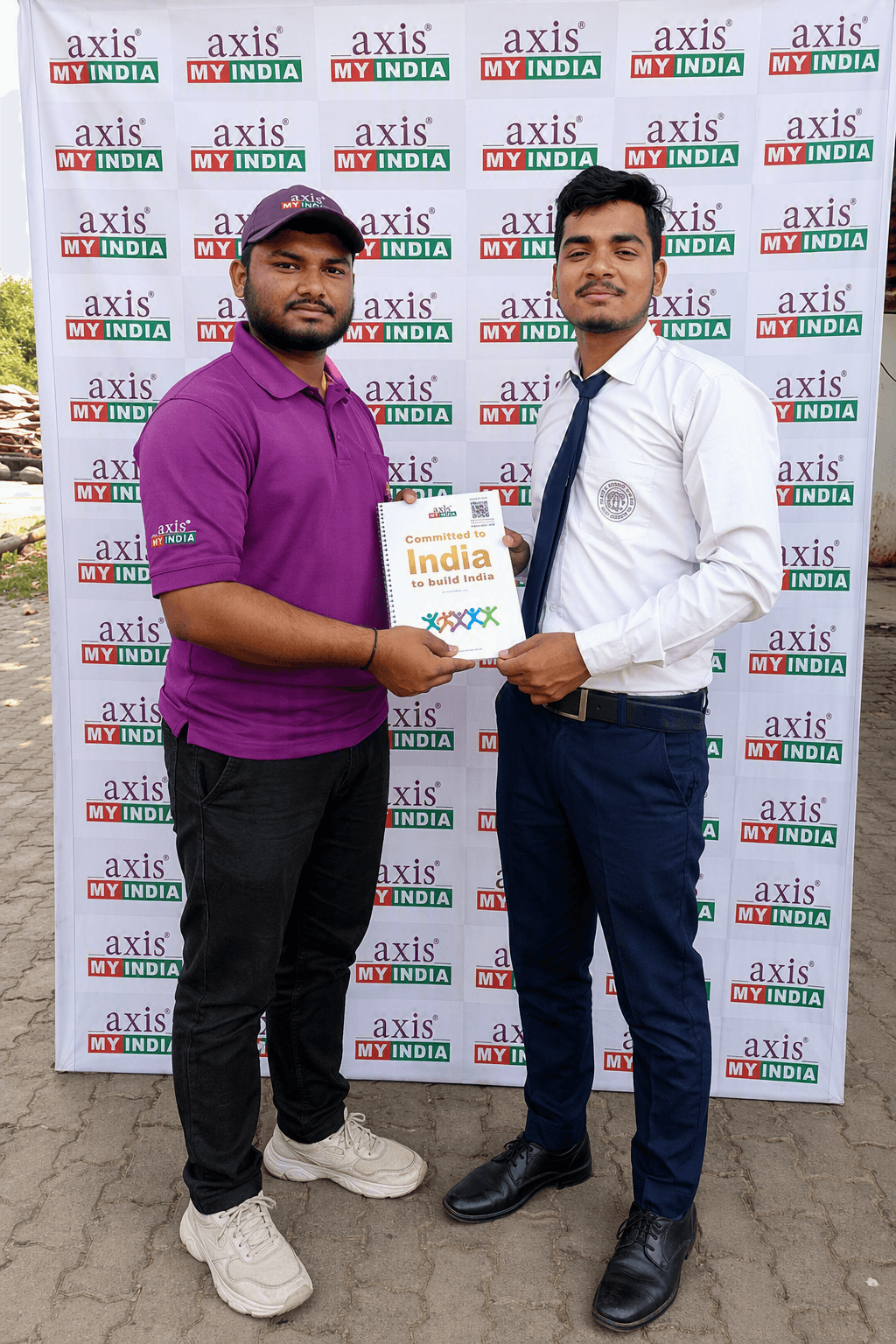
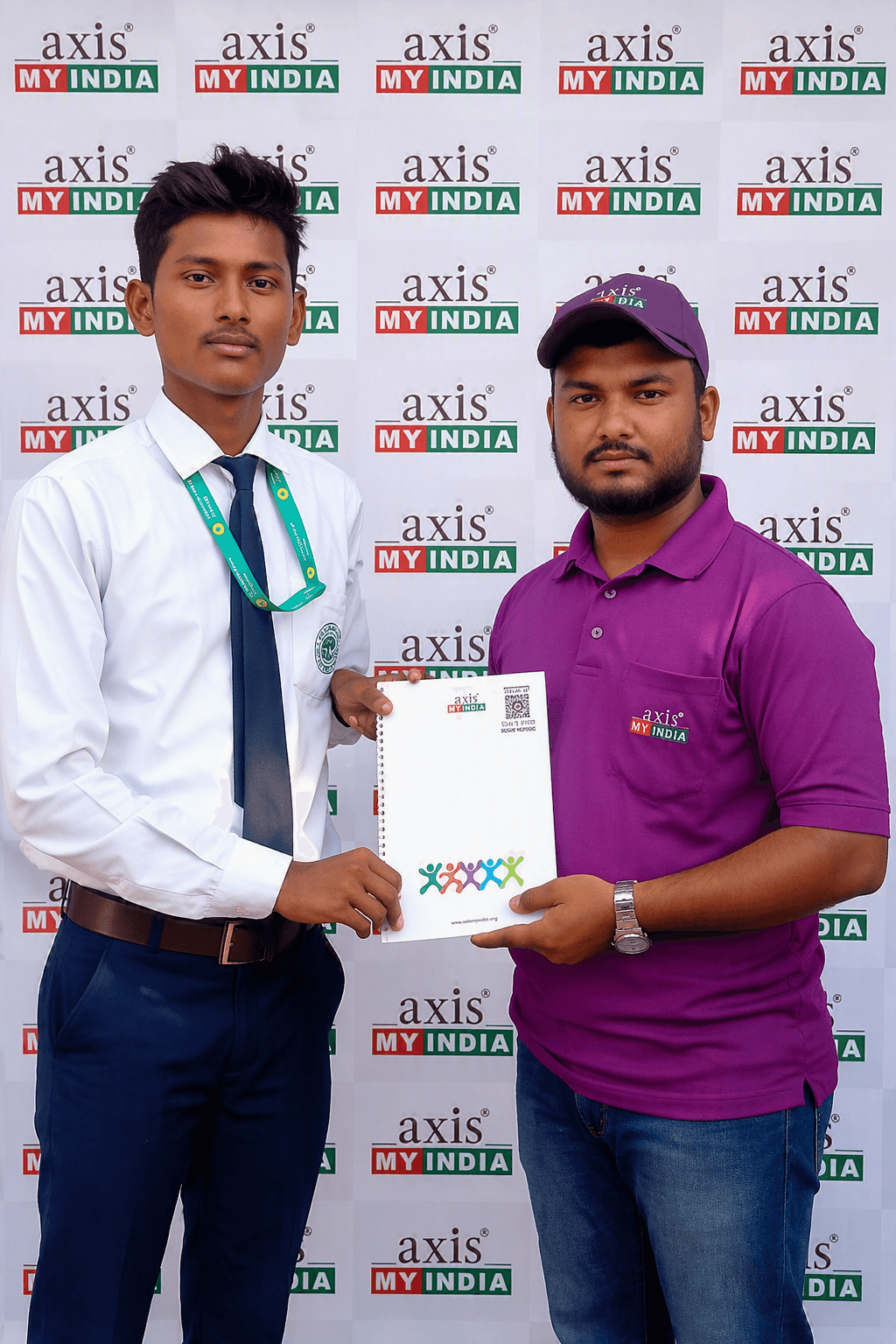
The Company printed and distributed notebooks to school children across partner institutions.
Support for School Children
The initiative ensures timely access to essential learning materials, strengthening the educational ecosystem for students.
Aligned with Academic Cycles
Structured delivery aligns with academic calendars ensuring materials reach students during key periods for maximum impact.
Credible Institutional Distribution
Distribution is managed through credible institutions like schools and NGOs to ensure notebooks reach genuine students effectively.
School Children
Primary beneficiaries are underprivileged school-going children who lack access to basic educational materials.
37,000
Notebooks
210
Schools
5
States

Quality notebooks
distributed to every school


37K+
Notebooks Distributed
Increase depth of pond for drinking water availability
Repair broken pipelines & lay new ones in water-scarce areas
Water comes once every 4 days
Apply purification / filter techniques to remove contaminants & pathogens
Villagers receive dirty or salty water
Deploy teams for regular drain cleaning at fixed intervals
Repair severely deteriorated road network across routes
Bus stand to highway route significantly deteriorated
Build a bridge over the river to prevent flooding
Provide crop insurance services & scheme awareness (PM Fasal Bima / PM Kisan)
~1 in 3 farmers need insurance for weather-related crop damage
Strictly ensure cattle are housed in Gau-shala / cattle shelter
Provide tele-consultations with specialised medical experts
Connect patients to well-equipped hospitals in major cities
Awareness & registration for PMJJBY & Ayushmann Bharat Yojana
Expedite export construction of government hospital in village
Set up periodic free medical camps with specialist doctors & blood tests
Body pain · BP · Heart disease · Asthma · Diabetes
Offer focused skill courses in community centre (teaching, business, vocational)
Demand identified through AMI skill-mapping
Deliver online content & exam preparation via People Empowerment Program
13% of students aspire to become government officers
Identify and assess NGOs and schools across target clusters for effective collaboration
Focus on institutions with verified beneficiary reach
Verify specific notebook requirements per institution and grade group
Align procurement with academic calendars
Print and procure quality notebooks per verified specifications
Quality-checked before dispatch
Execute active distribution to selected school clusters with full coordination
Coordinated delivery throughout each region
Compile signed acknowledgements, receipts and photographic evidence from all points
Submit structured compliance reports for transparency and future CSR auditing
Supports SDG documentation and organisational integrity
Timely access to learning materials strengthens the educational ecosystem for students
Notebook distribution aligned with academic cycles
Targeted distribution to underprivileged school communities reduces learning-resource gap
Priority to government and low-income schools
CSR-funded education support alleviates learning costs for vulnerable families
Transition to structured CSR programme with impact measurement
Set up medical infrastructure including exam stations, diagnostic equipment and registration area at community venue
Wara Panchayat, Balaghat district - tribal agricultural community 16km from district HQ
Deploy 2 general doctors, 1 eye specialist and 8 paramedical staff from Wara facility
Register all attendees, conduct initial triage and organise patient flow across screening stations
79 total respondents: 46 male, 31 female
Screen and diagnose leg, joint, bone, waist and back conditions - the top reported complaints at 40%+
Leg/Joint/Bone 27% · Waist/Back 15% - combined 42% of all cases
Conduct fundoscopy and comprehensive eye screenings for the 23% of patients presenting with eye problems
Eye problems are the second largest category at 23% of all cases
Monitor BP for all patients and identify hypertension cases requiring specialist follow-up
BP-related issues affect ~10% of patients; monitored for all 79 attendees
Conduct CBC, BMP, FBS, Lipid Profile, RF, Uric Acid, ESR, KFT/RFT and Urine Analysis based on clinical findings
Perform X-rays, chest CT scans and pelvic/obstetric ultrasounds for patients requiring imaging
Available for musculoskeletal, cardiovascular and gynaecological cases
Identified chickenpox in 13-year-old boy; coordinated with MP government; blood samples sent; full treatment plan
MP government responded quickly; medications for fever, itching and complication management administered
Identified and managed lymphatic filariasis case; coordinated tests; antifilarial drugs and morbidity protocols
Patient endured long period of debilitating swelling; clinic intervened with specialised medical care
Coordinate specialist referrals and government linkages for complex cases requiring follow-up beyond the camp day
Compile pilot learnings, community needs, on-ground challenges and design recommendations for future Kendras
This pilot report informs how every future Kendra should be designed per community needs
Sitalmari ME School, Rakhasmari High School, Sankardev Sishu Niketan - all set up with registration desks, screening rooms, medical counters, pharmacy and wellness zones.
Deployment of 8 specialist categories + 8 MBBS MOs + 2 AYUSH MOs + 30–32 CHOs + ANMs, Pharmacists, Lab Techs and DEOs at each camp.
Universal registration across all three camps. Patient categories: General (84%), Children 6–18 (11%), Children 0–5 (3%), Pregnant Women (2%).
8 specialist streams: Obstetrics & Gynaecology, Medicine orthopaedics, ENT, Paediatrics, Ophthalmology, Psychiatry, Dental. Total 1,941 consultations logged.
Dedicated services for pregnant women and children. Paediatric 4D screening at Rakhasmari - 15 cases identified including TB, cardiac, anaemia and deficiency cases.
Body Mass Index measured across all camps: Normal 58.2%, Underweight 24.1%, Overweight 13.4%, Obese 4.3%. Nutrition counselling provided to all screened.
RBS testing across three camps: 92.5% within normal range (<200 mg/dL), 7.5% elevated (>200). Of those elevated, 55.4% were known diabetics.
BP measured: Normal 835 (73.8%), Systolic >140 in 92, Diastolic >90 in 51, Both elevated in 154 (13.6%). Known hypertension: 199 (16.3%).
National TB Elimination Program screening. 15 cases with chest pain or prolonged cough flagged for follow-up. 1,213 patients asymptomatic.
Yoga, meditation and mindfulness sessions. Diet and nutrition counselling for 459. Health awareness and IEC kiosk sessions for 542 participants.
Free diagnostics, medicines dispensed (1,783 instances), teleconsultation through NHM. Lab tests performed for 616 patients.
66 complex cases referred to District Hospital / Medical College: 3 from Sitalmari, 34 from Rakhasmari, 29 from Bhangamandir.
Uttar Pradesh
9,000
Notebooks distributed
Delhi
6,000
Notebooks distributed
Madhya Pradesh
7,000
Notebooks distributed
Rajasthan
6,000
Notebooks distributed
Maharashtra
9,000
Notebooks distributed
Distribution by State