
.webp&w=384&q=75)

Content Team
AMIL PEOPLE EMPOWERMENT FOUNDATION
Technology is often spoken about as a solution. But in last-mile delivery, technology works best when it supports the people doing the real work on the ground.
Across India, many schemes, services, and opportunities already exist. Yet for many households, accessing them is still not simple. A family may need help understanding a government scheme. A patient may need a referral after a health camp. A farmer may need timely advice. A young person may need a connection to skills or income opportunities.
In each case, the challenge is not only information.
The real challenge is follow-through.
Did someone
understand the need?
Was the right service identified?
Was the application completed?
Was the referral made?
Was the household supported until the next step?
This is where technology can make last-mile delivery stronger.
Technology Helps Make Field Work Visible
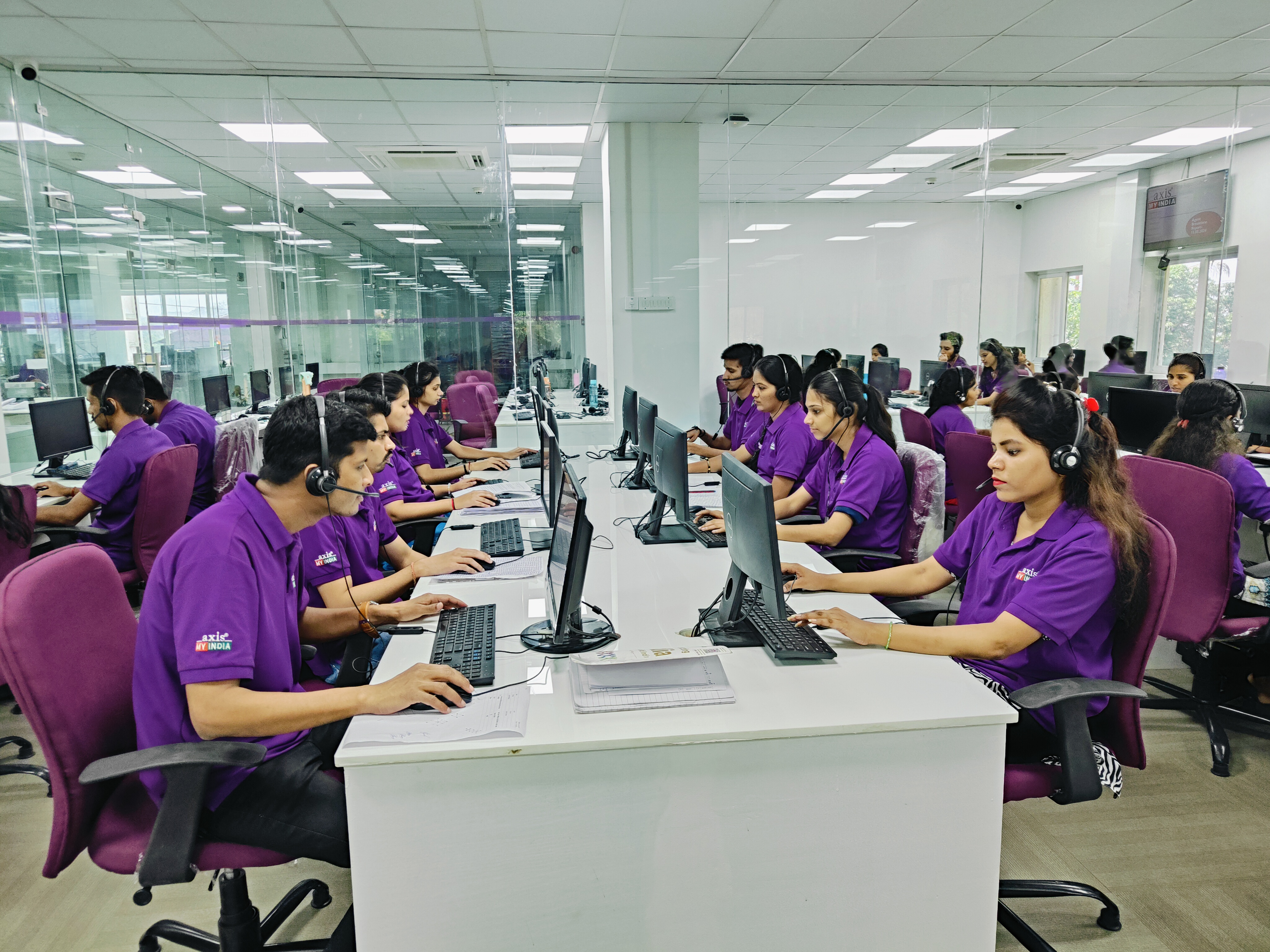
A lot of meaningful work happens quietly at the community level. Field teams meet families, listen to their concerns, guide them through processes, and follow up when something is pending.
But without a proper system, much of this work remains difficult to track.
Technology-enabled monitoring helps capture important details such as:
This helps teams understand what is moving forward and what still needs attention.
For CSR partners and institutions, this visibility is important. It helps them see where their contribution is going, who it is reaching, and what progress is being created.
Why Human Support Still Matters
Technology alone cannot solve last-mile challenges.
Many people still need someone to sit with them, explain the process, check documents, guide them towards the right service, and follow up later. This human connection is what builds trust.
That is why a phygital model matters.
The physical
layer brings guidance and trust.
The digital layer brings tracking and visibility.
Together, they create a system that is both practical for communities and useful for partners.
Through Upaay Kendra, AMIL PE Foundation combines local outreach, Sevak and Sevika-led field engagement, service facilitation, technology-enabled tracking, and outcome-based reporting through one trusted constituency-level system. [hbs.edu], [axismyindia.org]
How Better Data Leads to Better Delivery
When field information is captured properly, teams can make better decisions.
For example:
This is the real value of technology in last-mile delivery. It helps teams respond faster, improve coordination, and make support more reliable.
It also helps CSR partners move beyond basic activity updates towards stronger impact reporting.
The Role of Technology in Upaay Kendra
Upaay Kendra is designed to help households access healthcare, income opportunities, government schemes, agriculture support, and community care through one trusted local system. The model brings together community outreach, service facilitation, technology-enabled tracking, and outcome-based reporting. [hbs.edu], [axismyindia.org]
This means technology is not used as a separate layer. It is built into the delivery journey.
It helps track:
For communities, this means fewer gaps in the process.
For partners, it means clearer reporting, better visibility, and greater confidence in the impact being created.
Conclusion
Technology can strengthen last-mile delivery when it is used with the right purpose.
It should not replace people. It should help them work better.
It should not make delivery complicated. It should make progress easier to track.
It should not reduce impact to numbers. It should help every household’s journey become more visible.
The future of last-mile delivery in India is not only digital. It is human-led, technology-enabled, and outcome-focused.
That is the role Upaay Kendra is built to play.
Looking to support technology-enabled last-mile delivery through a structured local model?
Partner with Upaay Kendra to strengthen community access, tracking, and measurable outcomes.